
Augmented Reality is still in its infancy. Although the first AR technology was developed in 1968 by Ivan Sutherland (the father of computer graphics), the term “augmented reality” was only coined in 1990. The first commercial AR application only appeared in 2008.
It may take a while for the technologies to mature but the pandemic has already accelerated the development of AR technologies. Tech giants like Google, Amazon, Facebook, Microsoft, and Apple are all leading the frontlines.
Here are some of the exciting developments in just the past 12 months:
August 2019. Facebook officially kicked-off Spark AR’s public beta allowing AR creators to publish their effects on Instagram and Facebook.
July 2020. Google acquired North, a company the search giant describes as “a pioneer in human computer interfaces and smart glasses.” This could mean the revival of Google Glass.
July 2020. Apple Glass lenses passed the prototype stage and entered trial production.
September 2020. Facebook announced a multi-year partnership with EssilorLuxottica (the makers of eyewear from Oakley and Ray-Ban to Armani, Versace, etc.) and unveiled Project Aria — a new research project to build the first generation of wearable augmented reality devices.
That is just the tip of the iceberg, we are also witnessing quantum leaps in computing power like Apple’s M1 chips and Snapdragon 835 for Android. Advancement in 5g technologies will also enhance real-time connectivity in AR. The advent of WebAR (where augmented reality experiences can be accessed through a web browser rather than an app) will lower the barriers of its usage.
Why You Should Be Excited About AR
Market size. Experts predict the AR/VR industry to reach more than $25B by 2025 — and the growth will continue steadily.
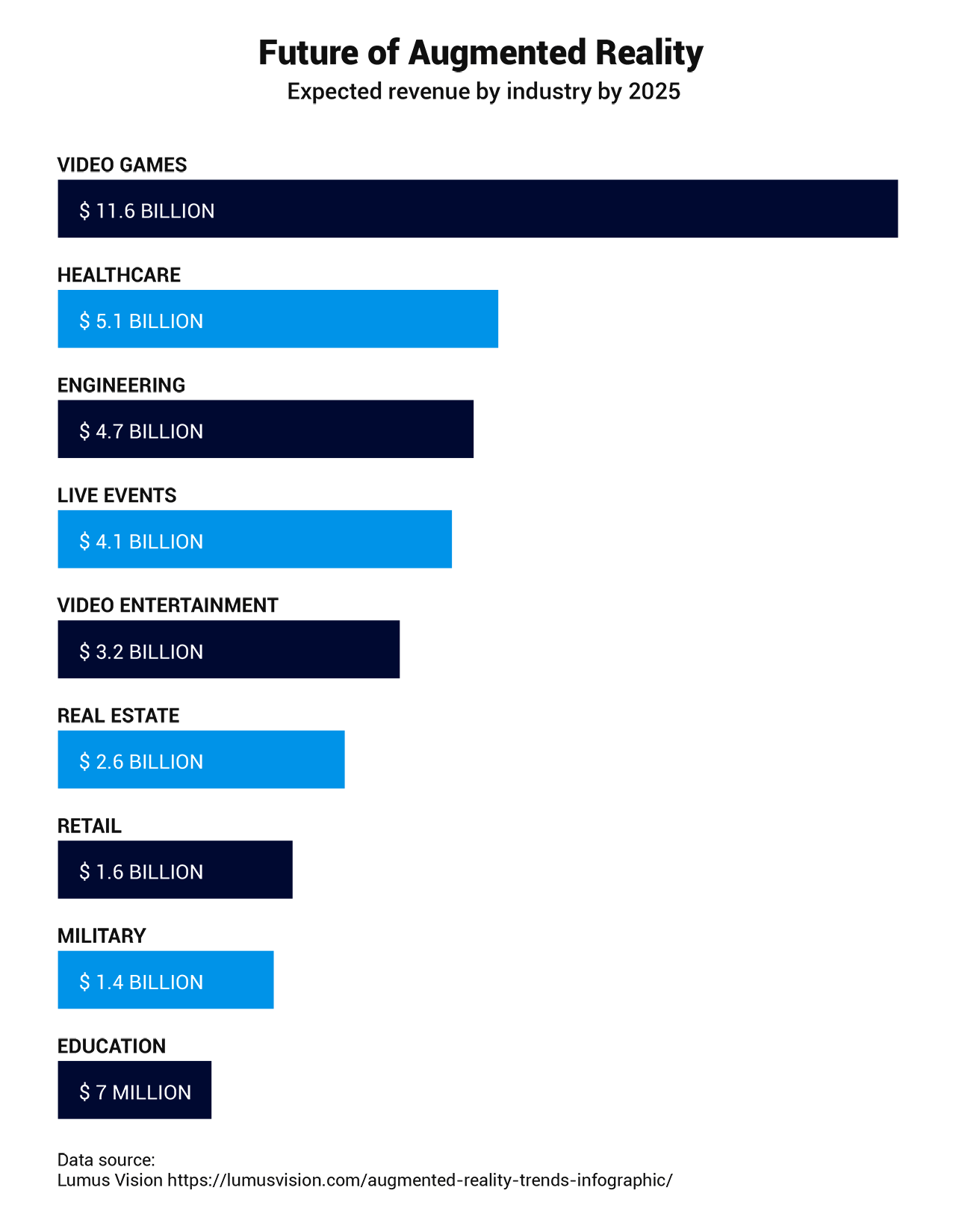
Endless possibilities. From smart mirrors to AR glasses, there are virtually limitless opportunities to be creative and profitable. AR will also be a big factor in e-commerce’ AR Insider projects that $6.1 billion in annual transaction value (value of goods purchased) will flow through AR interfaces by 2022.
New frontiers. Augmented reality continues to push boundaries and create new frontiers to explore, unlocking experiences that have never been thought possible.

We might even see a functioning JARVIS-like interface in this lifetime. How exciting is that?
The New Creative Canvas
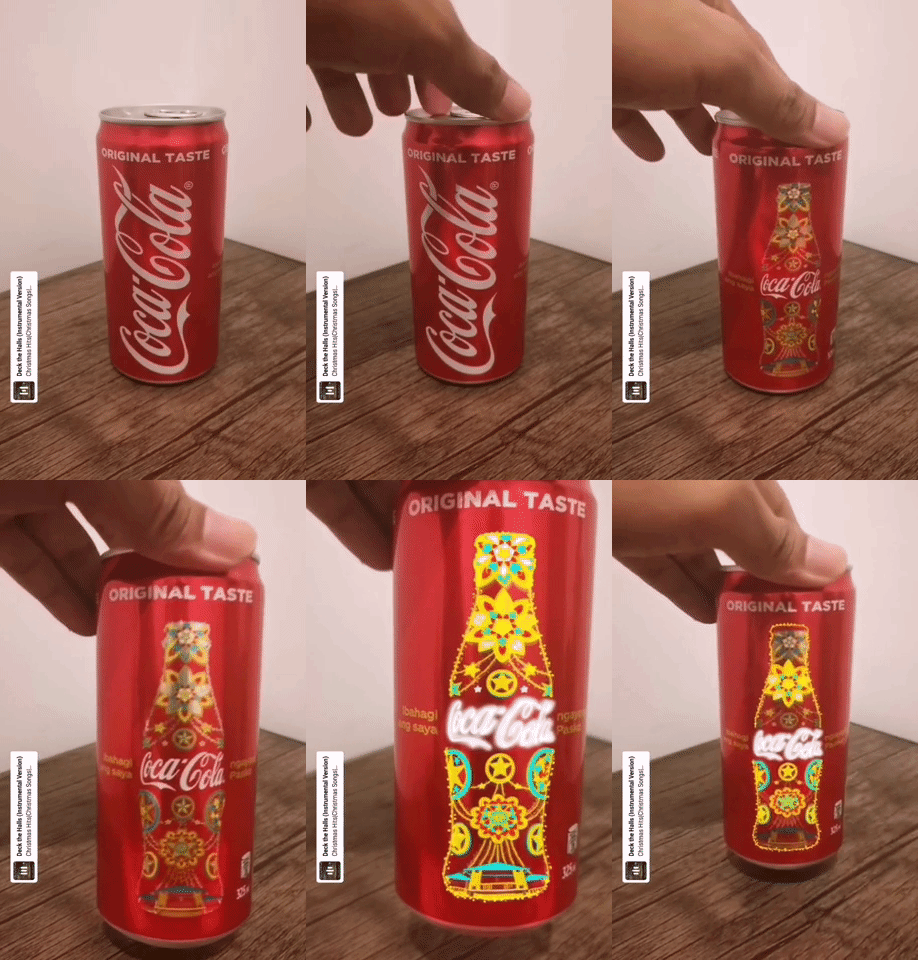
I’ve been experimenting and learning about augmented reality application with Spark AR. My goal is to master the skills to help clients and brands engage with their customers in new and fun ways.
Here’s one I made with a fixed targeting tracker (disclaimer: this is done purely for demonstration).
The Future of Design
A lot of designers are already touting AR as the future of design. I agree; it’s a certainty that augmented reality will provide opportunities to enhance user experiences beyond measure. As a designer and an artist, I'm excited to create immersive experiences that will help elevate how we think, interact, and go about our daily lives - and make it more fun, too!