
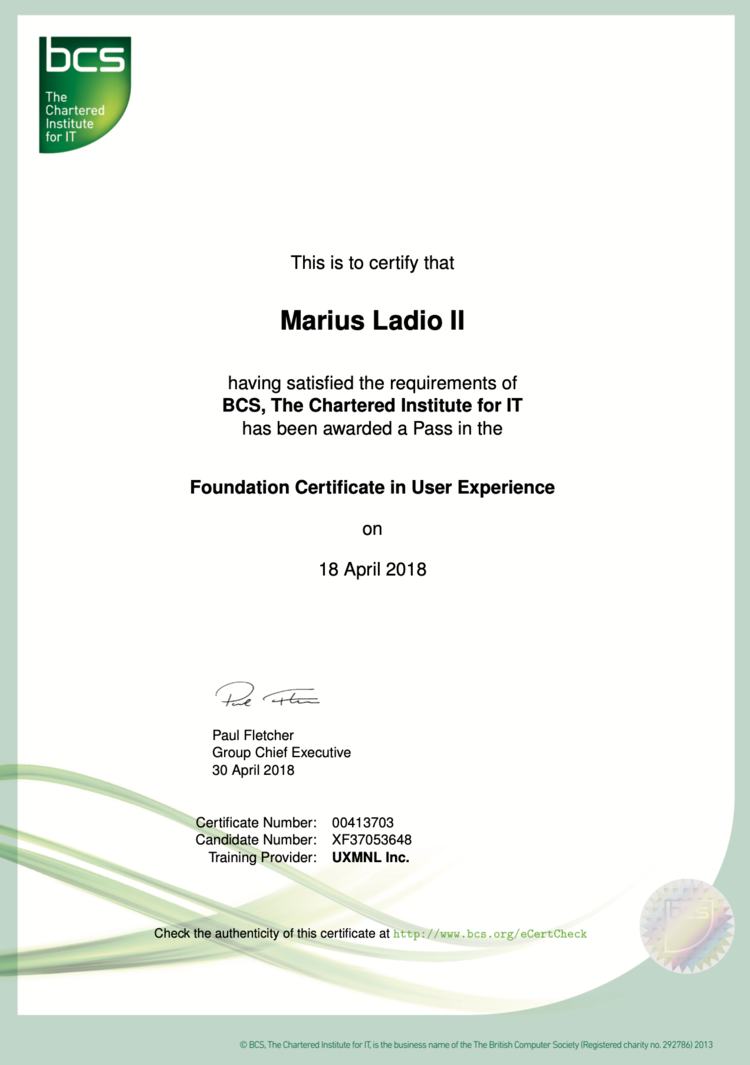
Six months ago I attended a 3-day UX bootcamp with an exam for the User Experience Foundation Certificate from the British Computer Society (BCS). The bootcamp was facilitated by Phil Smithson, the CEO of On-Off Group, an innovation company based in Manila, Philippines.
Here’s what I learned:
Day 1
Introduction to UX: Understand the key principles of user-centered design
ISO 9241: Learn the multi-part standard covering ergonomics of human-computer interaction
User Research: Know user research techniques such as contextual inquiry, ethnography, site visit
Journey Maps: Build maps to understand the critical design paths in your user’s experience
Persona Creation: Create personas and other tools from user research data
Day 2
Assessing Usability: Measure and analyze usability in terms of effectiveness, efficiency, and satisfaction
Information Architecture: Create a structured design flow of information through card sorting
Interaction Design: Design user interface patterns based on the sequence of the user's tasks
Mental Models: Understand how psychological models like eye tracking gaze patterns affect design
Visual Design: Apply principles of visual design to create ideal page layouts and user interfaces
Prototyping: Use iterative paper prototyping to get fast and actionable feedback from users
Day 3
Evaluation: Learn how to evaluate products through User Testing using the RITE Method
Implementation: See how Lean UX methodology can be applied to various business processes
Examination: A paper–based 75 min. 40 question multiple choice exam for the BCS User Experience Foundation Certificate.
The result was released just 2 days after the examination and I am thrilled to find out I passed. Then after only waiting for 2 weeks, I finally got my certificate.
Is It Worth It?
Let me work it.
As the Product Owner and Creative Director, I am in the best position to put my new-found knowledge into practice. I integrated Lean UX methodologies in our existing Agile development. At first, it was quite a challenge but soon the team sees (and reaps) the benefits of this new process. We were able prioritize our product backlog items effectively, iterate product feature efficiently, and most of all learn from our users quickly.
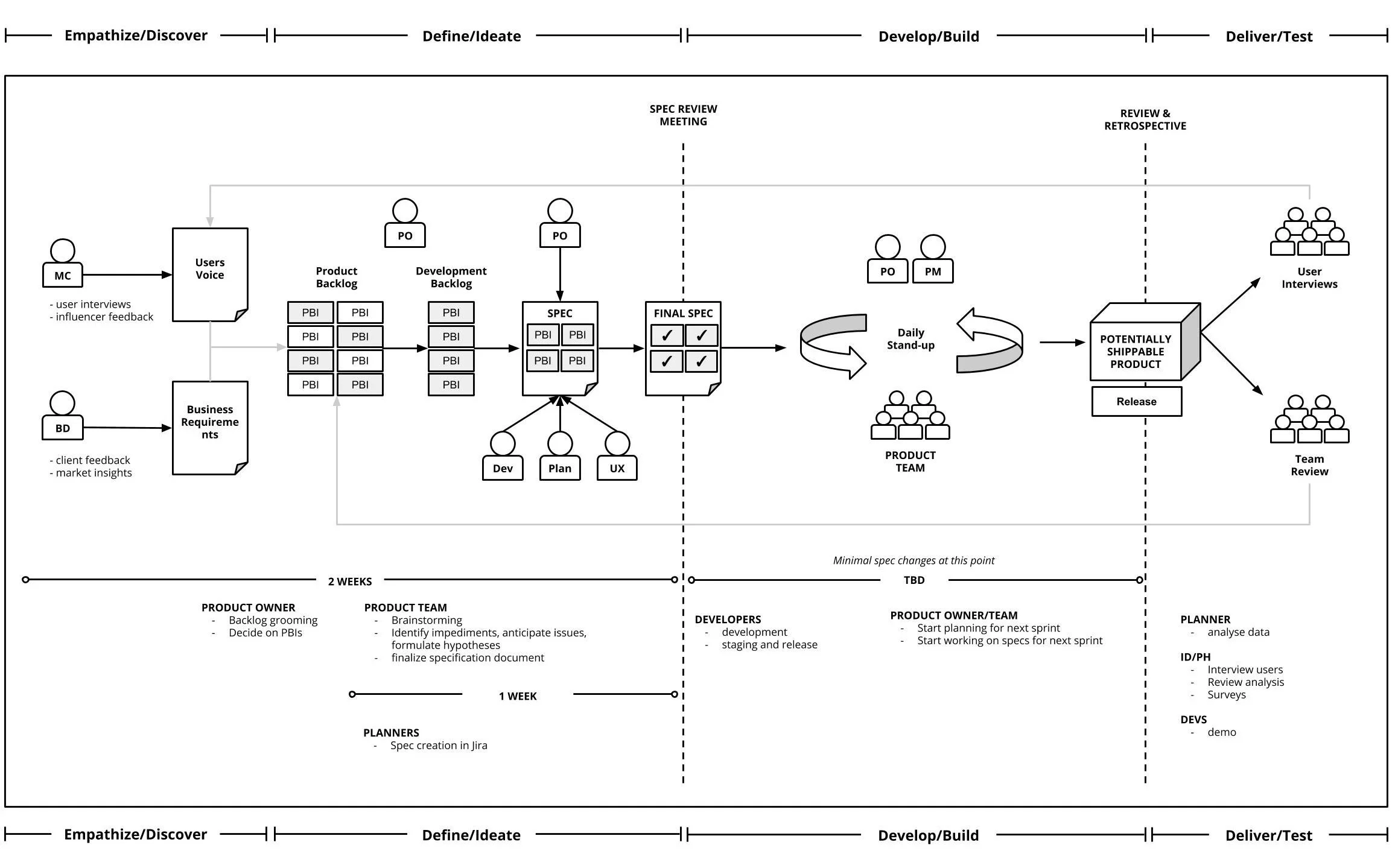
Personally, I believe that the UX certification boosted my credibility with the development team. I am able to articulate the business requirements and at the same time back it up with user data. It also gave me the confidence to explain the benefits and value to stakeholders who would otherwise be reluctant.
If you are a product manager, a designer, or a developer it is definitely worth it to get certified in UX. It is not just a piece of paper but it’s a valuable tool that can help elevate your work and your career.