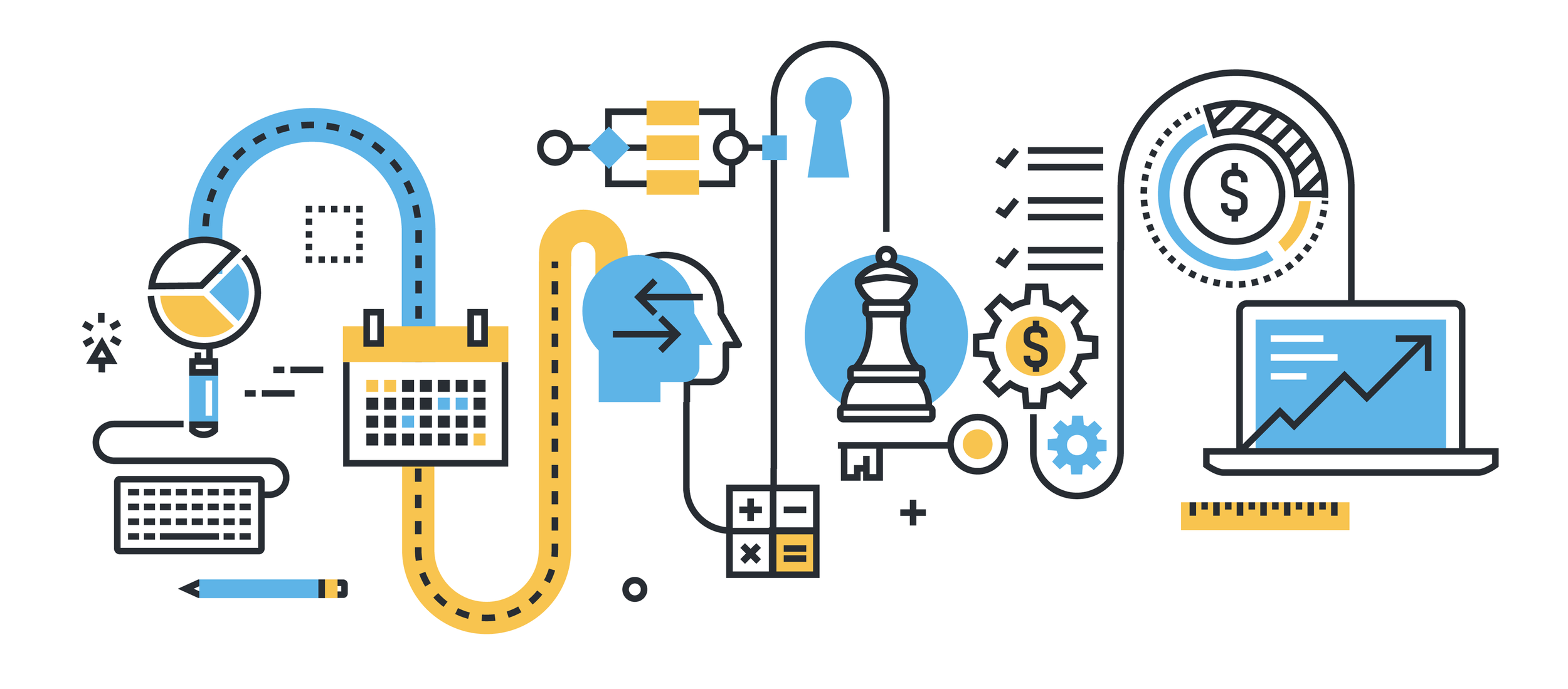
Over the past ten years in the experience design field, I've developed a reliable UX design process that starts with discovery and ends with development integration, relying heavily on prototyping and user testing.
My end-to-end UX design process
Research • Document • Prototype • Test • Iterate • Design • Deliver
RESEARCH
Discover Insights Through User Research
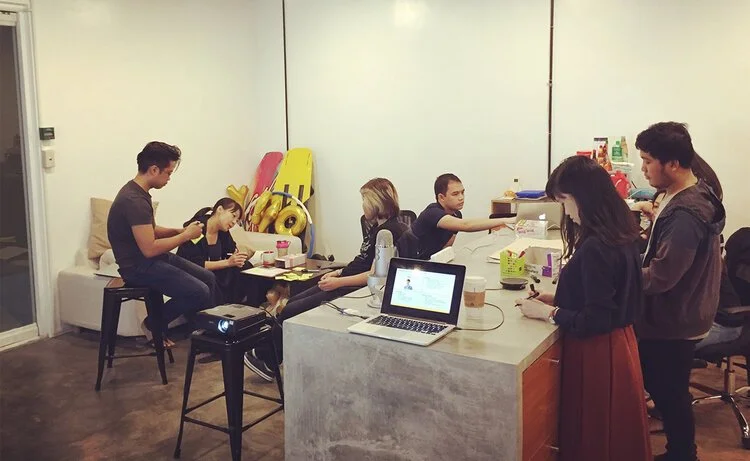
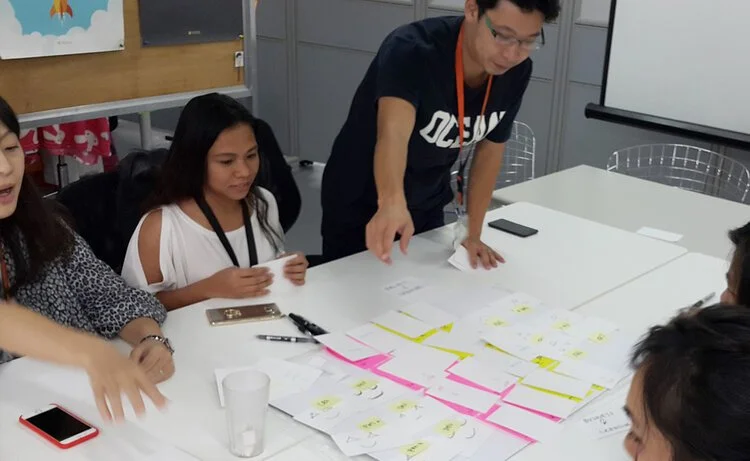
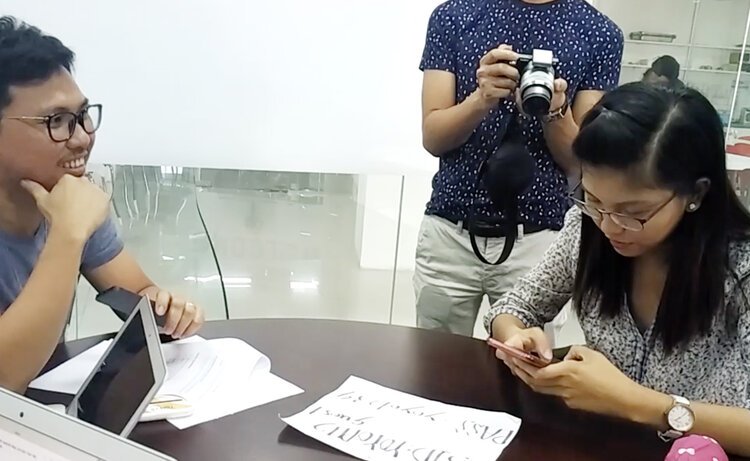
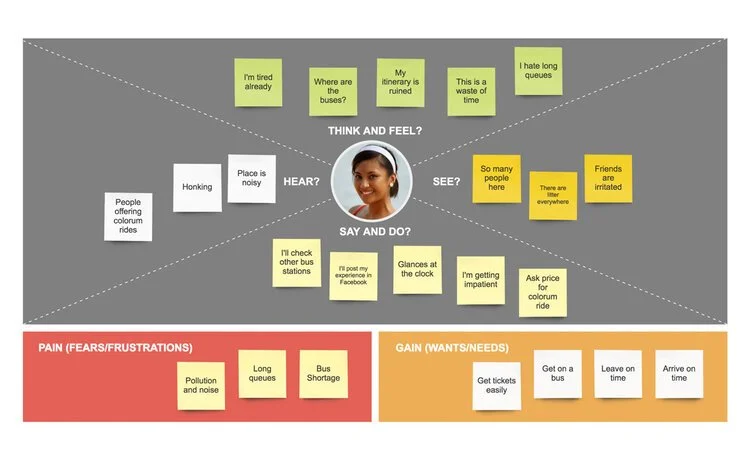
I conduct design thinking workshops and empathy mapping sessions with the product team. We put ourselves in the users' shoes, then work on a design that better meets their needs.
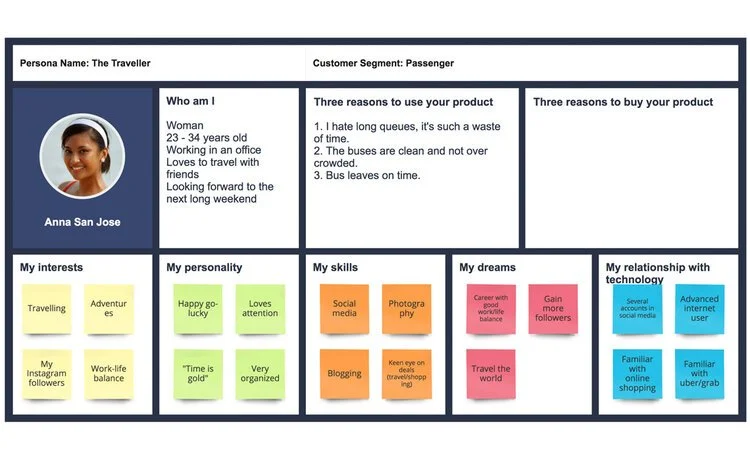
We list and define as many elements as we can - people (personas), places, experiences, areas of interest, and extremes. We look for characteristics that are related and can be explored.
DOCUMENT
Create Precise Documents
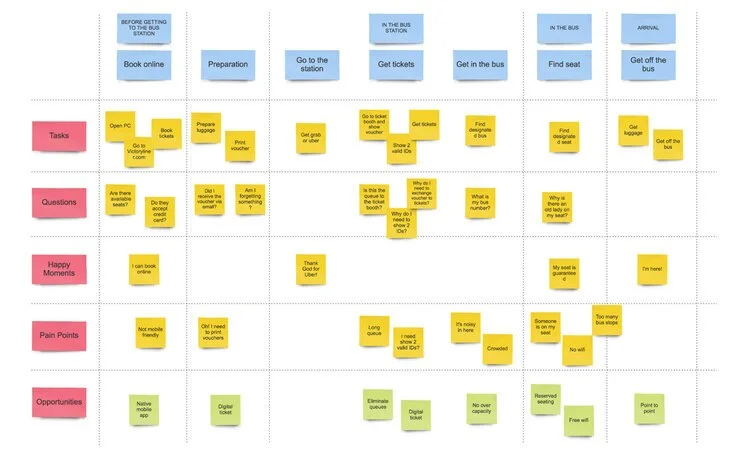
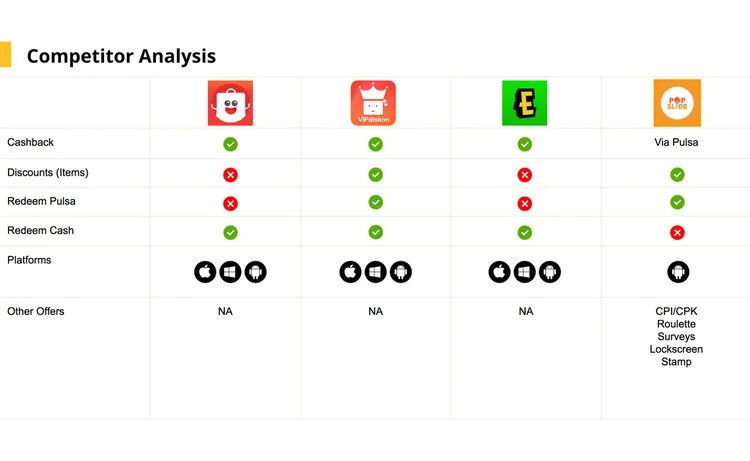
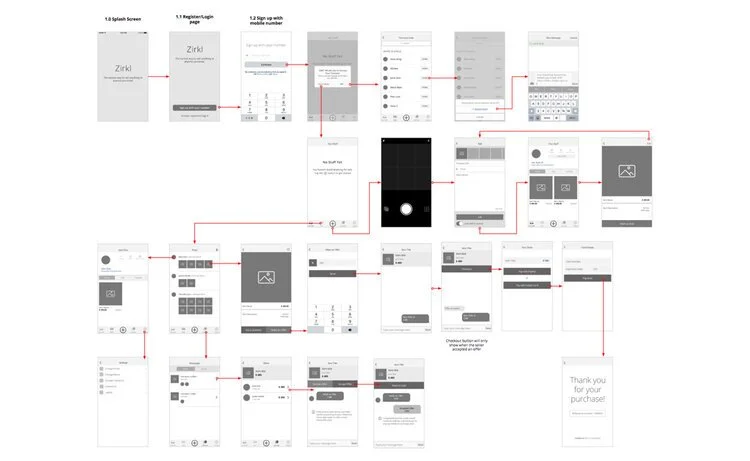
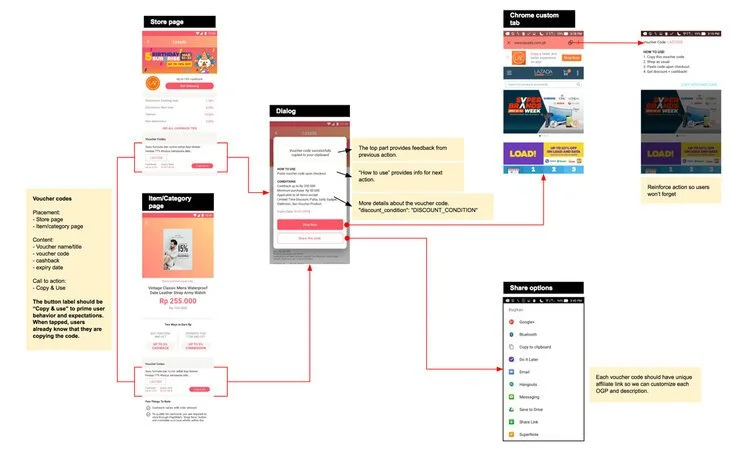
Beautiful and accurate documents can help illustrate user journeys, process flows, and research outcomes.
Complex problems become easier to understand and solutions present themselves.
PROTOTYPE, TEST, AND ITERATE
Plan-Do-Check-Act
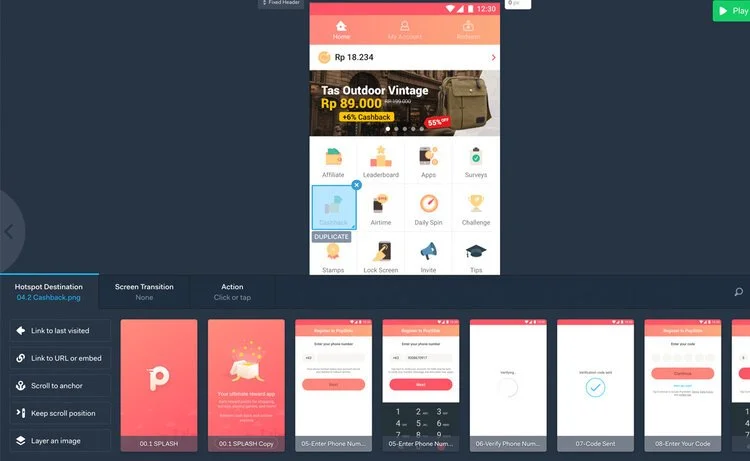
A prototype transforms an idea into something tangible and “experiment-able”.
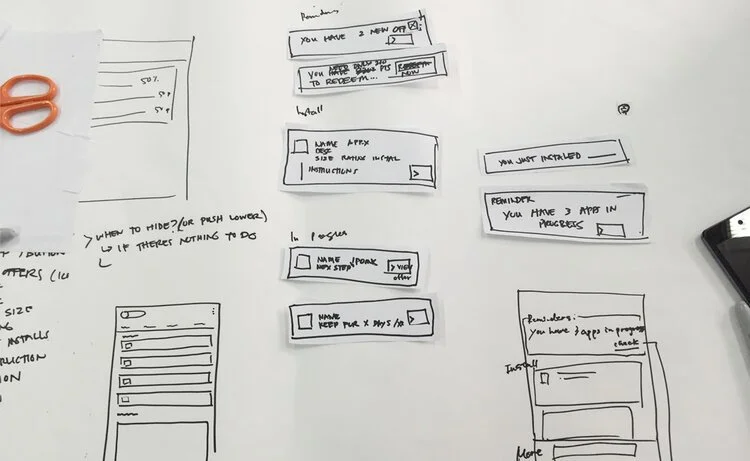
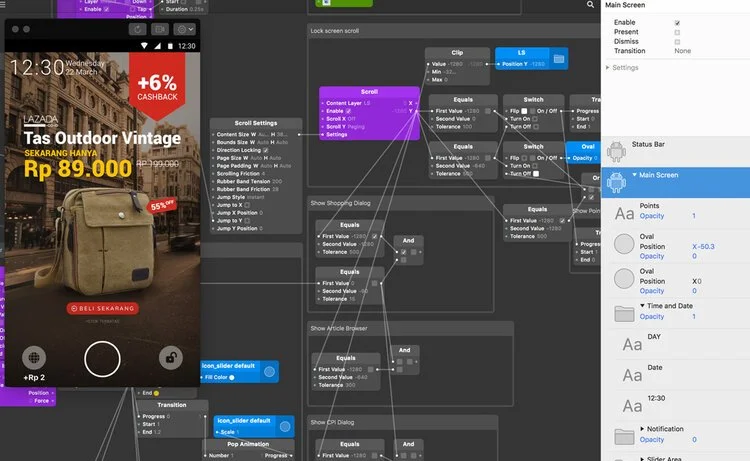
I use different tools and techniques based on a situation. I prototype with Figma and Marvel to demonstrate the flow. I use Flinto or Origami to show micro-interactions. I also use physical paper for really rapid prototyping.
I build prototypes to learn, solve conflicting ideas, start conversations and manage the building process. It helps the team to fail fast to learn fast.
I test these design solutions with real people. We test to refine prototypes and solutions, to learn more about the user, to find out what works, and what needs to change. I iterate this process until it's time to finalise the design interaction.
DESIGN AND DELIVER
Delightful Digital Products
I believe good design should anticipate needs, engage and delight users for the right reasons, and be invisible at all other times.